Summer brings sunshine, mango seasons, and outdoor fun—but it also brings extreme temperatures that can push the human body to its absolute limits. When the heat index climbs, staying safe requires more than just sitting under a fan.
At Sumitra Hospital, we want to ensure your summer memories are happy and healthy. In this guide, our medical team breaks down the critical differences between everyday exhaustion and a medical emergency, while offering actionable summer health tips for flawless dehydration prevention.
1. Heat Exhaustion vs. Heat Stroke: Know the Critical Difference
Many people confuse being “overheated” with a true medical emergency. Recognizing the progression of symptoms can save a life.
- Phase 1: Heat Exhaustion (The Warning Sign): This happens when your body loses too much water and salt. Symptoms include heavy sweating, a rapid pulse, dizziness, headache, nausea, and cool, clammy skin.
- Phase 2: Heat Stroke (The Emergency): This occurs when the body’s internal cooling system fails completely, allowing core temperatures to spike dangerously high in minutes. Heat stroke symptoms include:
- A high body temperature (103°F/39.4°C or higher).
- Hot, red, dry skin (a sudden lack of sweating despite the heat is a major red flag).
- A throbbing headache, dizziness, or confusion.
- Nausea, vomiting, and loss of consciousness or fainting.
| 🚨 Emergency Action: Heat stroke is a life-threatening medical emergency. If someone exhibits confusion or loses consciousness in the heat, move them to a cool place immediately and call Sumitra Hospital’s emergency department without delay. |
2. Mastering Dehydration Prevention
When you sweat, you don’t just lose water; you lose essential minerals called electrolytes. Simple hydration requires a strategic approach:
- Look Beyond Plain Water: If you are spending time outdoors, supplement your water intake with Oral Rehydration Solutions (ORS), fresh coconut water, or buttermilk (chaas). These restore lost sodium and potassium instantly.
- The Urine Color Test: A simple way to check your hydration level is by monitoring your urine. Clear or pale yellow means you are well-hydrated. Dark, amber-colored urine is an immediate warning that you need to start drinking fluids.
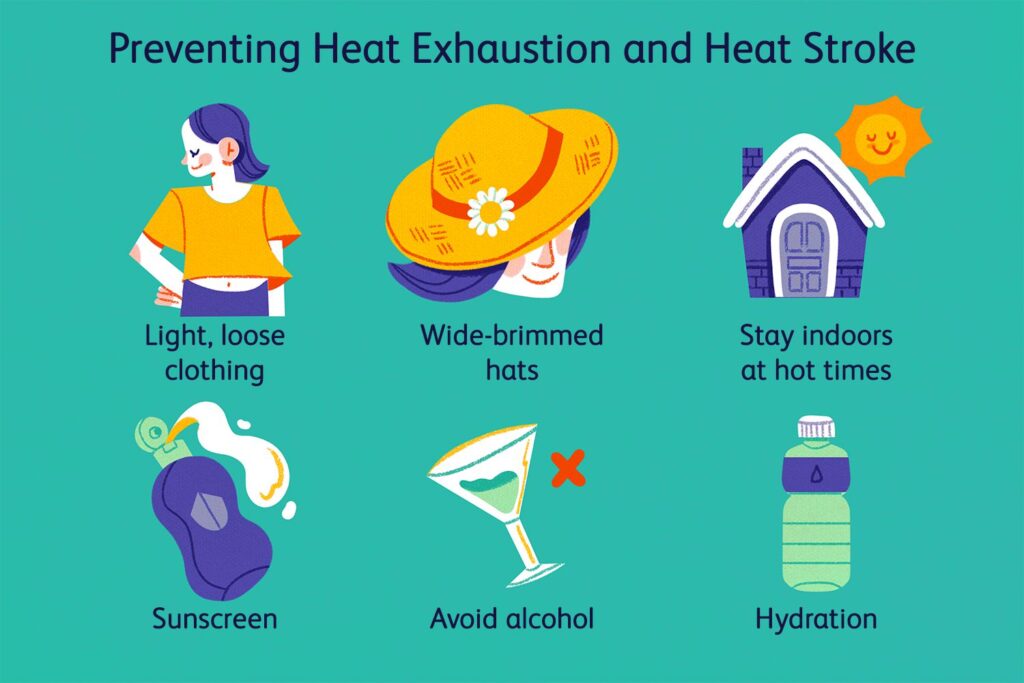
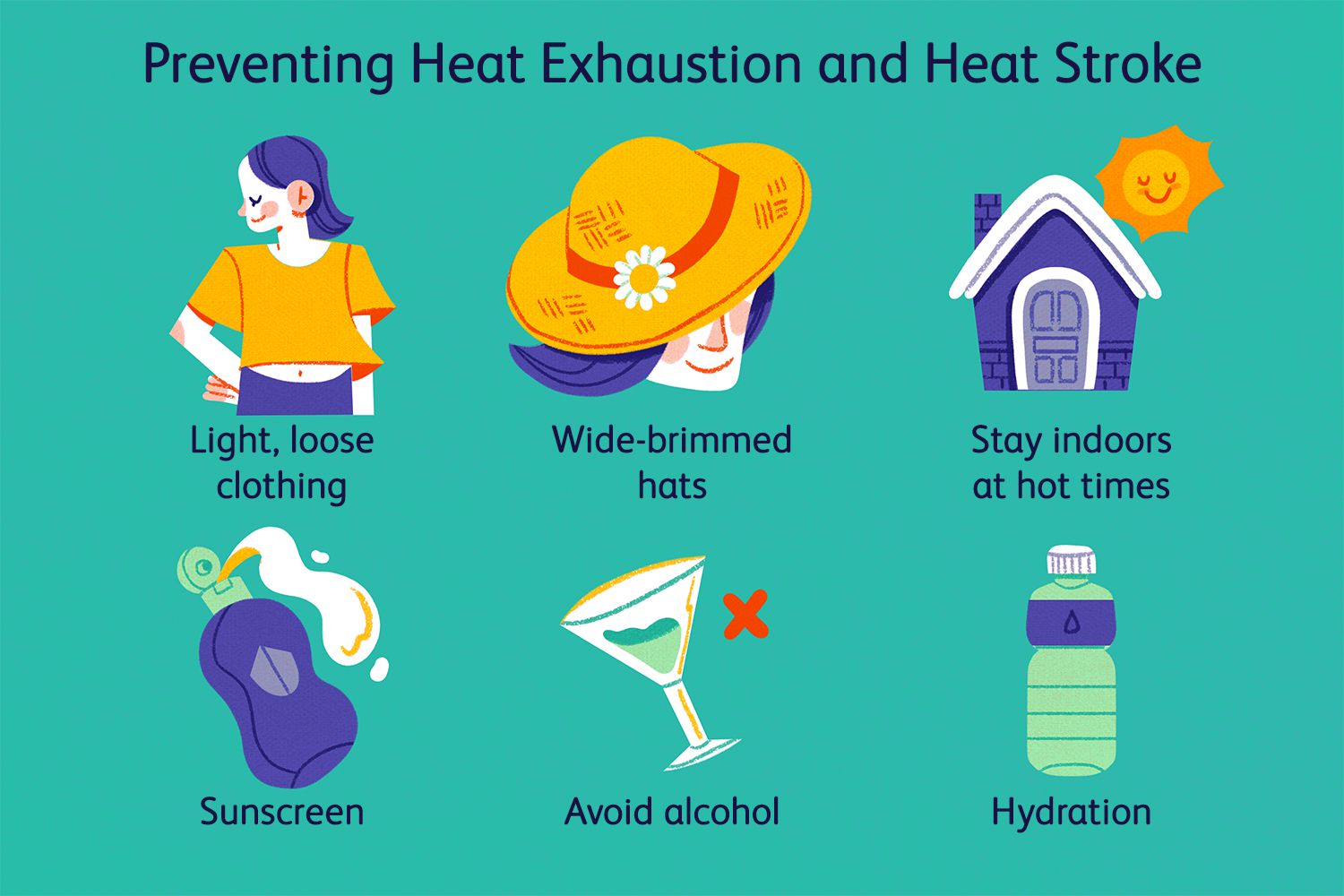
- Avoid Dehydrating Liquids: Limit your intake of highly sugary drinks, alcohol, and excessive caffeine (coffee and strong tea), as they actually accelerate fluid loss from the body.
3. Sumitra’s Top Summer Health Tips for the Entire Family
Preventing heat illnesses comes down to smart daily habits. Share these simple rules with your household:
- Dress for the Weather: Wear loose-fitting, lightweight, and light-colored cotton clothing. Light colors reflect heat, while cotton allows your skin to breathe.
- Time Your Outings: Avoid direct sun exposure during peak intense hours (typically between 11:00 AM and 4:00 PM). If you must exercise or work outdoors, shift these activities to early morning or late evening.
- Never Leave Anyone in a Parked Car: Even with the windows cracked, the temperature inside a parked car can rise by 20 degrees in just 10 minutes, creating a lethal trap for children or pets.
- Protect Vulnerable Loved Ones: Keep a close eye on elderly family members and toddlers, as their bodies cannot regulate temperature changes as efficiently as healthy adults.
Stay Safe, Stay Cool
Summer should be enjoyed, not feared. By staying mindful of how your body feels and keeping hydration a top priority, you can easily shield your family from seasonal heat risks.
If you or a loved one experiences persistent dizziness, extreme fatigue, or heat cramps that won’t go away after resting in a cool environment, let our general medicine experts evaluate you.