The Buzz You Can’t Ignore: A Complete Guide to Defeating Dengue
A single mosquito bite can disrupt your entire life. With seasonal spikes making headlines every year, knowing how to protect your family from dengue isn’t just smart—it’s essential.
At Sumitra Hospital, we believe that awareness is the first and most powerful line of defense against seasonal illnesses. In this comprehensive guide, our medical experts break down the critical **dengue symptoms** you should look out for, how the infection is managed, and the exact steps you can take for effective **dengue prevention**.
—
1. Recognizing the Signs: Is It a Common Cold or Dengue?
Dengue fever is caused by the bite of an infected *Aedes* mosquito. While it often begins like a standard seasonal flu, it can quickly escalate. Classic **dengue symptoms** typically appear 4 to 10 days after being bitten and include:
- Sudden, High Fever: Often reaching up to 104°F (40°C).
- She “Breakbone” Aches:** Severe muscle, bone, and joint pain that makes resting uncomfortable.
- Pain Behind the Eyes:** A deep, throbbing ache directly behind the eyes.
- Skin Rashes:** Red rashes that usually appear 3 to 4 days after the onset of the fever.
- Fatigue and Nausea:** Persistent vomiting, severe headache, and loss of appetite.
**When to seek immediate emergency care:** If you or a loved one experience severe abdominal pain, persistent vomiting, bleeding gums, or sudden lethargy, these are warning signs of severe dengue and require urgent hospitalization.
—
2. The Platelet Puzzle: Why It Matters
One of the most talked-about aspects of this illness is the **platelet count**. Platelets are the blood cells responsible for helping your body form clots to stop bleeding.
During a dengue infection, the virus can temporarily suppress your bone marrow’s ability to produce new platelets, while simultaneously destroying existing ones.
- **Normal Platelet Range:** A healthy individual typically has between 150,000 to 450,000 platelets per microliter of blood.
- **The Dengue Drop:** It is common for this number to decline during the active phase of the fever.
- **Monitoring is Key:** At Sumitra Hospital, we perform regular Complete Blood Count (CBC) tests to monitor these levels closely. A drop below 100,000 requires careful medical supervision, and levels falling below 20,000 may necessitate a platelet transfusion to prevent internal bleeding.
—
3. The Right Approach to Dengue Treatment
Currently, there is no specific antiviral medicine available to cure the virus. Therefore, **dengue treatment** focuses entirely on managing the symptoms and supporting the body through recovery.
- **Hydration, Hydration, Hydration:** The most critical element of recovery is staying hydrated. Drink plenty of water, fresh fruit juices, coconut water, or Oral Rehydration Solutions (ORS) to combat fluid loss from fever and vomiting.
- **Pain Management:** Use paracetamol or acetaminophen to manage pain and lower the fever.
- **Medications to Avoid:** **Never** take ibuprofen, aspirin, or other Non-Steroidal Anti-Inflammatory Drugs (NSAIDs). These medications thin the blood and can drastically increase the risk of severe internal bleeding if your platelet count is low.
- **Rest:** Give your body the time it needs to fight off the virus. Avoid strenuous physical activity until you are fully cleared by a doctor.
—
4. Shielding Your Home: Actionable Dengue Prevention
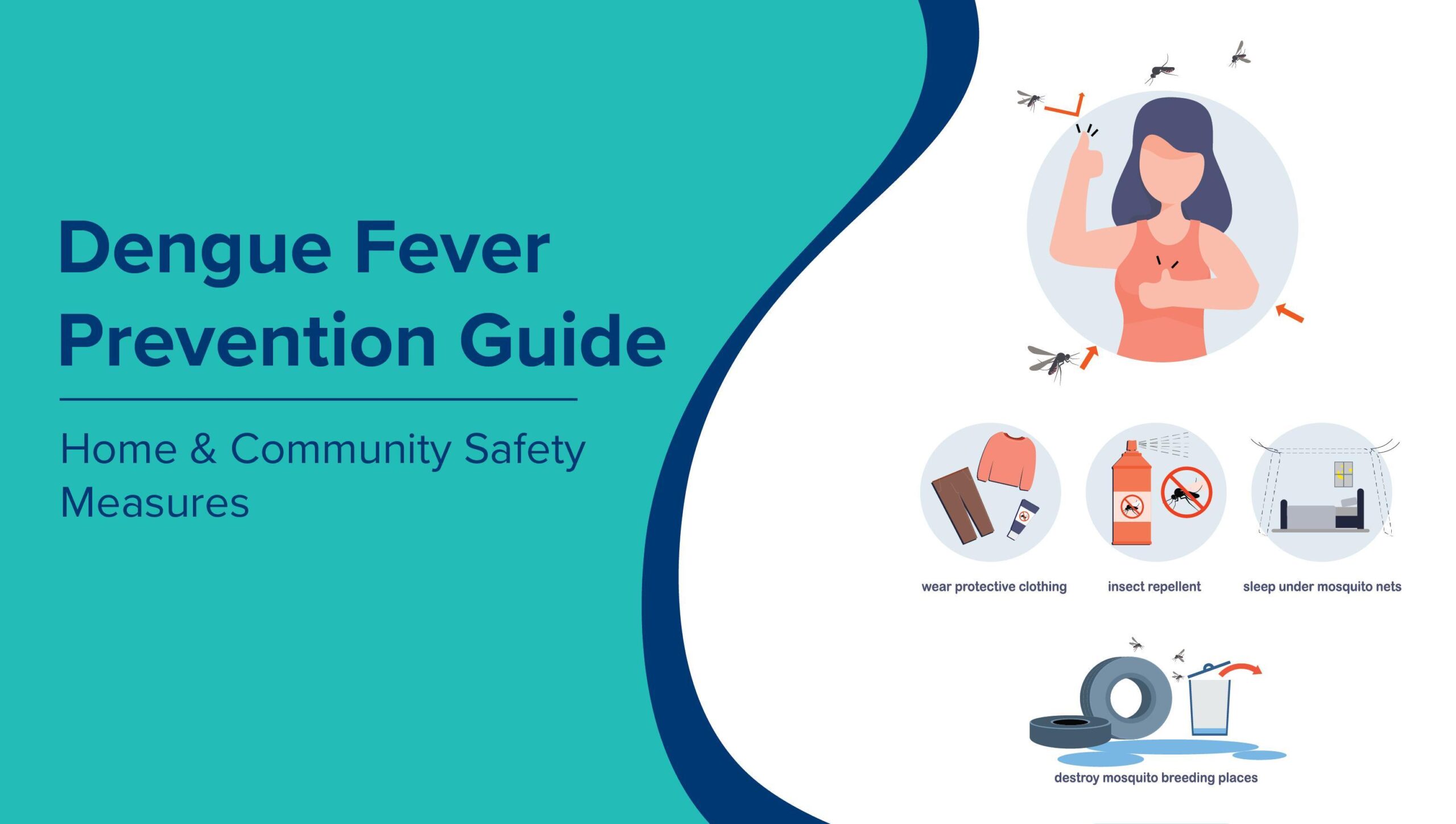
The *Aedes* mosquito is a daytime biter, most active during early morning and late afternoon. Because they breed in clean, stagnant water, **dengue prevention** relies heavily on eliminating these breeding grounds.
- **Coolers & AC Trays:** Drain, scrub, and dry them completely once a week.
- **Flower Pots & Vases:** Change the water every 2 days to prevent larvae from hatching.
- **Open Containers:** Keep all water storage barrels, buckets, and overhead tanks tightly covered.
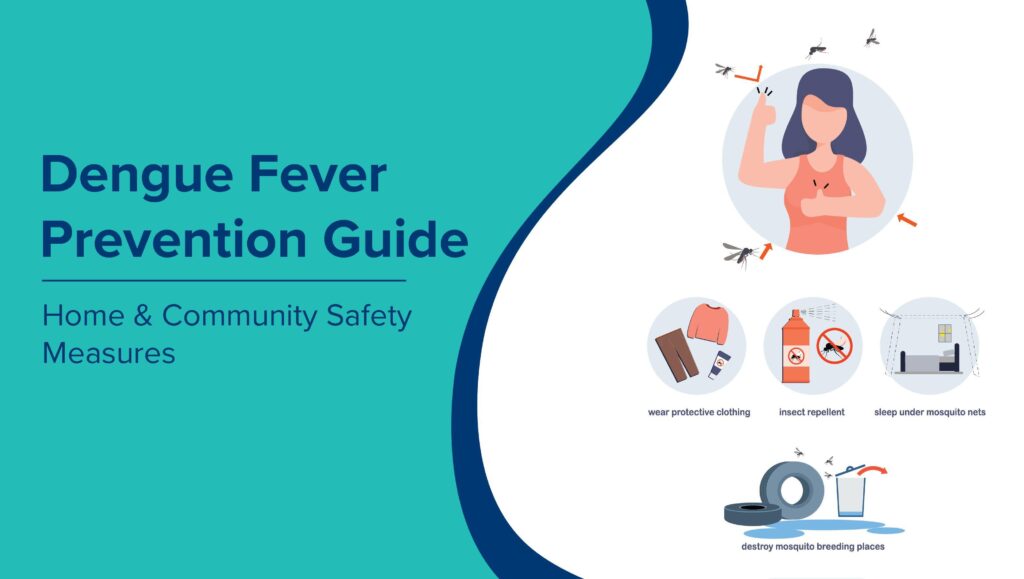
- **Household Safety:** Install mesh screens on windows and use mosquito nets while sleeping, even during the day.
- **Personal Protection:** Apply an approved insect repellent containing DEET or Picaridin when stepping outdoors, and wear loose, long-sleeved clothing.
—
Your Health, Our Commitment
Dengue can be unpredictable, but with early detection and the right medical guidance, it is entirely manageable. If you or a family member are experiencing a sudden high fever or body aches, do not wait for the symptoms to worsen.
———————————————————————————————————————-
Experience quality healthcare at Sumitra Hospital’s Outpatient Department (OPD), offering advanced diagnostics, specialist consultations, and compassionate care under one roof. To schedule an appointment, please call us at +91 98104 48328.