
Department of Anaesthesia
Overview
The Department of Anaesthesia at Sumitra Hospital is dedicated to delivering safe, comprehensive, and patient-centric anaesthesia services for patients undergoing surgical, diagnostic, and therapeutic procedures. Our team of highly qualified anaesthesiologists, critical care specialists, and trained operation theatre professionals work collaboratively with surgeons and multidisciplinary teams to ensure the highest standards of patient safety, comfort, and clinical excellence.
Anaesthesia is much more than administering medications before surgery. Our specialists remain actively involved throughout the patient’s surgical journey—from the initial pre-operative assessment and optimization to intra-operative monitoring, post-operative pain management, and critical care support. Every anaesthesia plan is individualized based on the patient’s age, medical history, physical condition, type of surgery, and associated risk factors.
The department is equipped with state-of-the-art modular operation theatres, advanced anaesthesia workstations, multiparameter patient monitoring systems, infusion pumps, ventilators, ultrasound-guided regional anaesthesia equipment, difficult airway management devices, and emergency resuscitation equipment.
We provide 24×7 anaesthesia services for emergency and elective surgeries across all major specialties.
Comprehensive Anaesthesia Care
- Pre-operative Assessment: medical history, airway evaluation, investigations, counselling and consent.
- Intra-operative Care: continuous monitoring of ECG, BP, oxygen saturation, respiration, fluids and temperature.
- Post-operative Recovery: monitoring, pain control, nausea management, oxygen support and safe transfer.
Types of Anaesthesia
General Anaesthesia
Regional Anaesthesia
Local Anaesthesia
Spinal Anaesthesia
Epidural Anaesthesia
Sedation
Other Services
- Internal Medicine
- Pediatrics
- Neonatology
- Obstetrics & Gynecology
- Dental
- Orthopaedics & Joint Replacement
- General & Minimal Access Surgery
- Nephrology
- Critical Care
- Physiotherapy
- ENT
- Anaesthesia
- Ophthalmology
- Respiratory Medicine
- Histopathology
- Clinical Psychology
- Urology
- Plastic, Reconstructive & Cosmetic Surgery
- Neurology
- Neuro Surgery
- Gastroenterology
- Non-Invasive Cardiology
- Dietetics & Nutrition
- Haematology
- IVF & infertility
- Emergency Medicine
- Clinical Biochemistry
- Clinical Pathology
- Imaging & Interventional Radiology
- Clinical Micro Biology & Cytology
- Child Development & Rehabilitation Services
Pre-Anaesthetic Check-up (PAC)

- Overall health assessment
- Medication and allergy review
- Airway assessment
- Risk evaluation
- Fasting instructions
- Patient counselling and informed consent
Pain Management Services
- Acute Pain Services
- Chronic Pain Management
- Labour Analgesia (where available)
- Post-operative Pain Control
Airway Management & Critical Care
Advanced airway management
Ventilator care
Trauma and emergency support
ICU support
Our Team
- Consultant Anaesthesiologists
- Critical Care Specialists
- Pain Management Specialists
- Emergency & Trauma Care Specialists
- Operation Theatre Anaesthesia Team
Areas of Expertise

General, Regional, Spinal, Epidural & Local Anaesthesia

Sedation Services

Critical Care
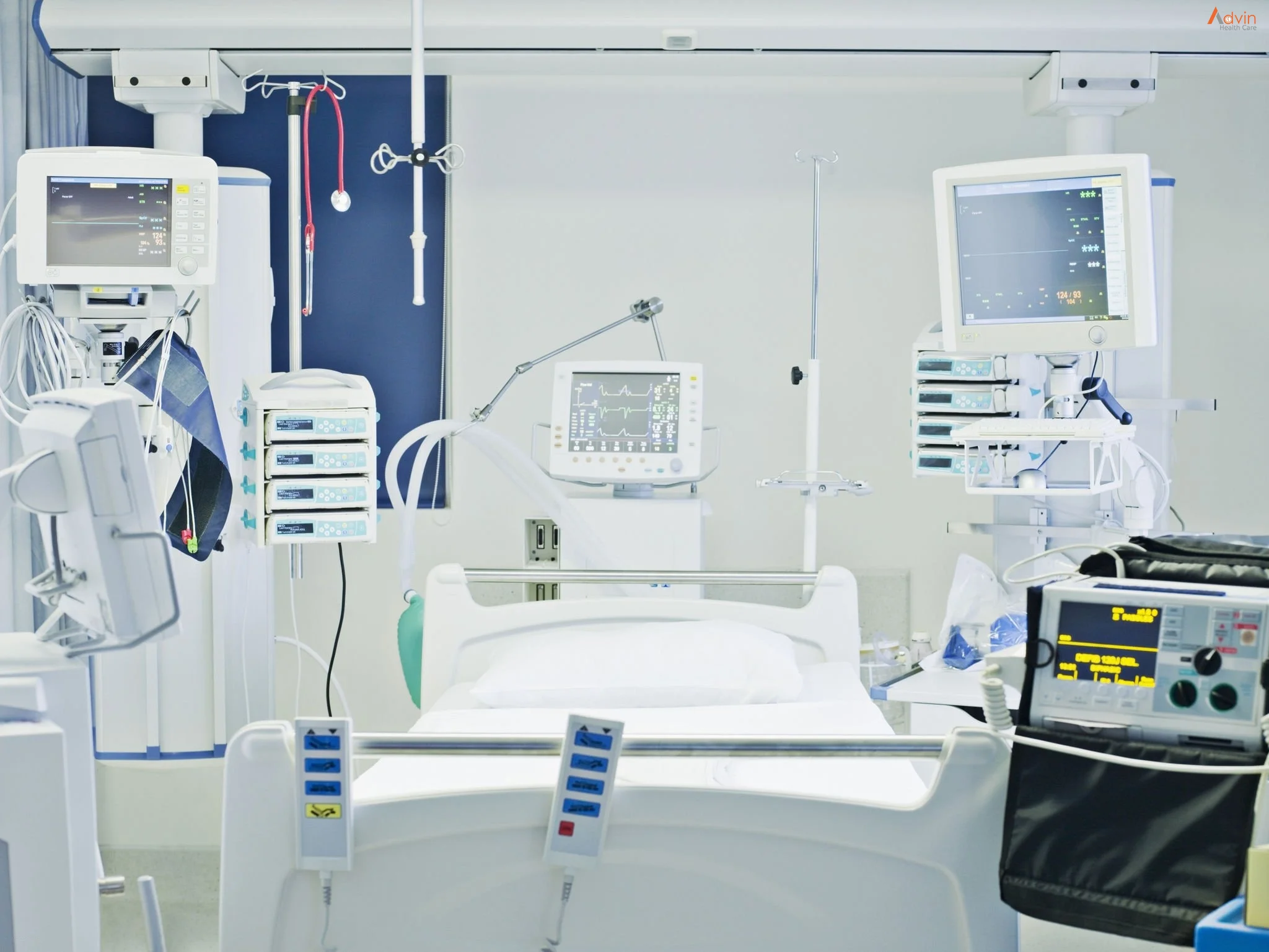
Ventilator Management
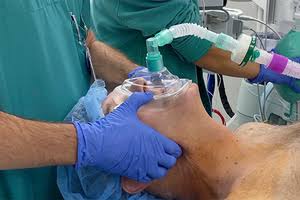
Difficult Airway Management

Acute & Chronic Pain Management
FAQs
Why is fasting necessary before surgery?
Fasting reduces the risk of stomach contents entering the lungs during anaesthesia, making the procedure significantly safer. Always follow the fasting instructions provided by your doctor or anaesthesiologist.
Is anaesthesia safe?
Yes. Modern anaesthesia is extremely safe when administered by qualified anaesthesiologists using advanced monitoring systems. Before surgery, every patient undergoes a detailed Pre-Anaesthetic Check-up (PAC) to assess risks and plan individualized care.
Will I be awake during surgery?
This depends on the type of anaesthesia used. Under General Anaesthesia, you will be completely unconscious. With Regional, Spinal, Epidural, or Local Anaesthesia, you may remain awake or receive sedation to help you feel relaxed and comfortable.
How long is recovery?
Recovery varies depending on the type of anaesthesia, the surgical procedure, and individual health. Most patients begin waking within minutes after surgery and continue to recover under close observation in the recovery room.
What are common side effects?
Some patients may experience temporary side effects such as:
- Nausea or vomiting
- Drowsiness
- Sore throat (after General Anaesthesia)
- Dry mouth
- Mild shivering
- Temporary dizziness
- Muscle aches
These effects are generally short-lived and are managed effectively by the medical team.
Can I drive after anaesthesia?
No. Patients should follow their doctor’s instructions regarding eating, drinking, and resuming normal activities. Those who have received sedation or General Anaesthesia should not drive or operate machinery for at least 24 hours unless advised otherwise